
Media enquiries: we receive a high volume of media enquiries and prioritise stories that align with Misool's communications goals. Our focus is on conservation, meaningful storytelling and exceptional guest experiences.
Journalists and Producers: This is the place to start if looking for general information, background facts or photography. If you cannot find an answer here, please use the form at the bottom of the page to get in touch.
Influencers: We love that you love Misool. However, we receive a lot of requests for complimentary stays and collaborations, and we’re not currently pursuing influencer partnerships. Unless your name is David Attenborough, in which case, please email us immediately.
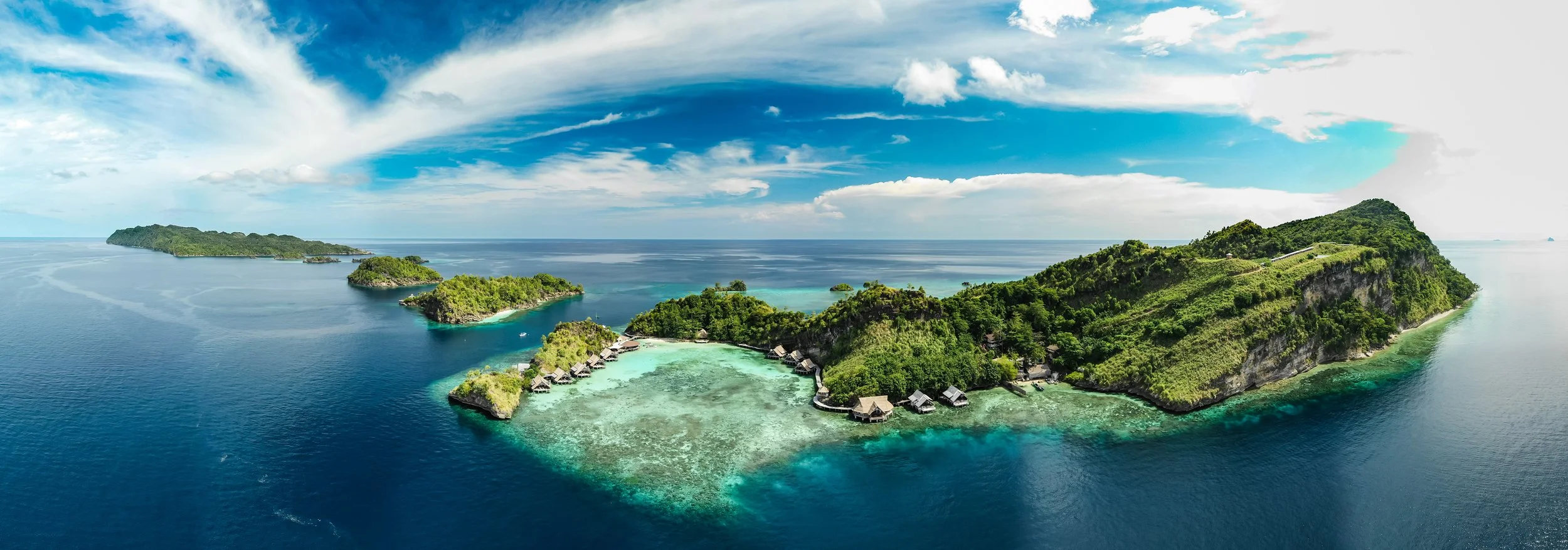
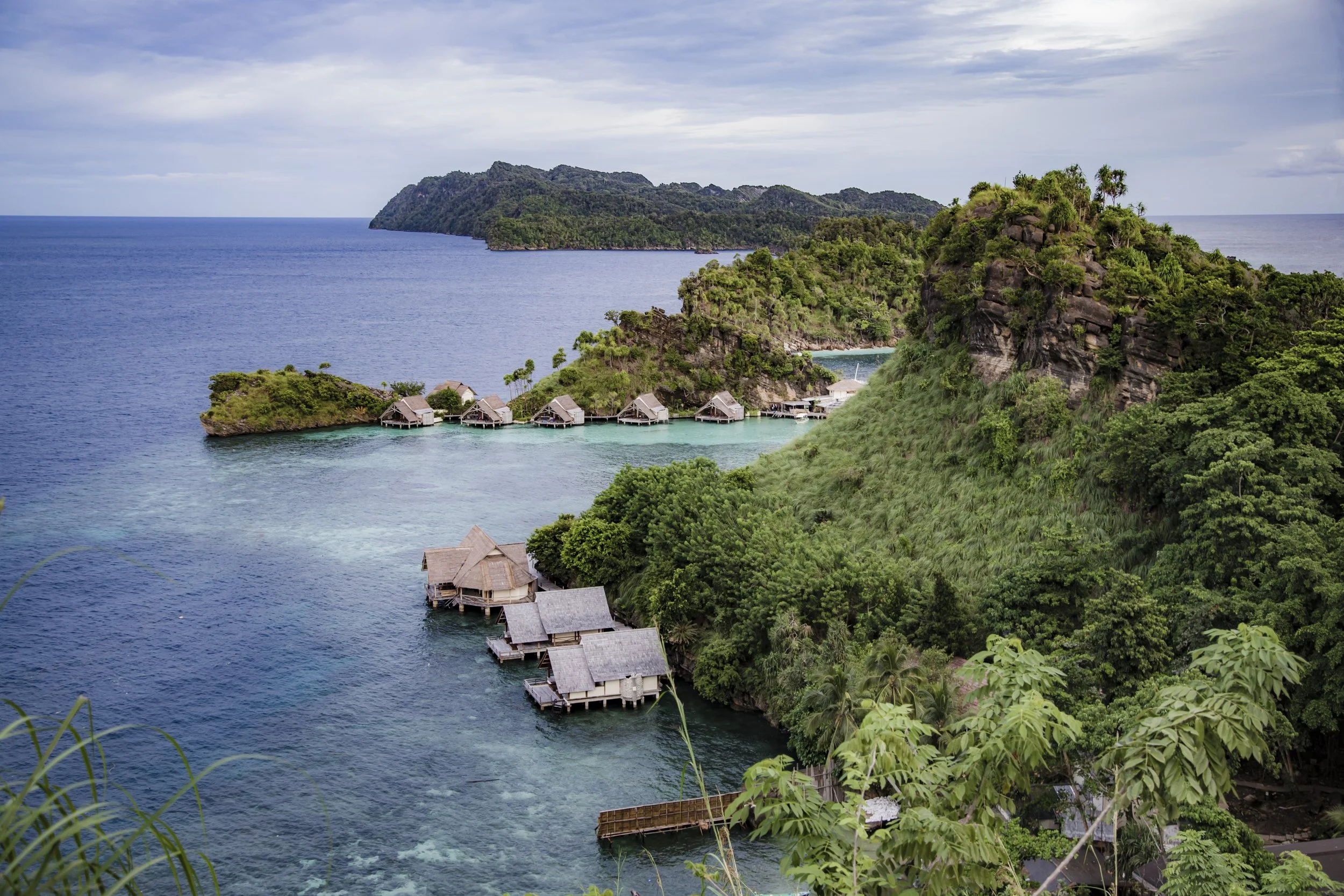
Misool Resort, Raja Ampat, Indonesia. Photo credit: Shawn Heinrichs
-
Misool is a private-island resort in South Misool, Raja Ampat, Indonesia, surrounded by the 300,000-acre Misool Marine Reserve. Founded in 2005, Misool was created around a simple idea: that tourism can help protect the natural world it depends upon.
Today, Misool Resort operates in close partnership with its sister organisation, Misool Foundation, and local communities to protect the marine ecosystem while giving guests an opportunity to experience it at small scale.
-
Misool was conceived in 2005 after founders Andrew and Marit Miners discovered an abandoned shark-finning camp while diving in Raja Ampat. They asked local clans for permission to build a conservation centre on Batbitim Island, effectively dislodging the shark finners.
After two and a half years of construction, Misool welcomed its first guests in October 2008. Misool Foundation was established three years later to formalise the conservation work.
-
Our mission is to deliver transformative experiences in nature, inspiring stewardship of Misool’s ecosystem for generations to come.
We believe in the intrinsic value of nature, and tourism’s power to protect it. By delivering meaningful journeys that connect guests deeply to the ocean, we build a sustainable business that creates value for ecosystems, communities, and all stakeholders.
In partnership with Misool Foundation, we protect the world’s richest reefs by empowering local communities as lasting guardians of the marine environment.
media assets
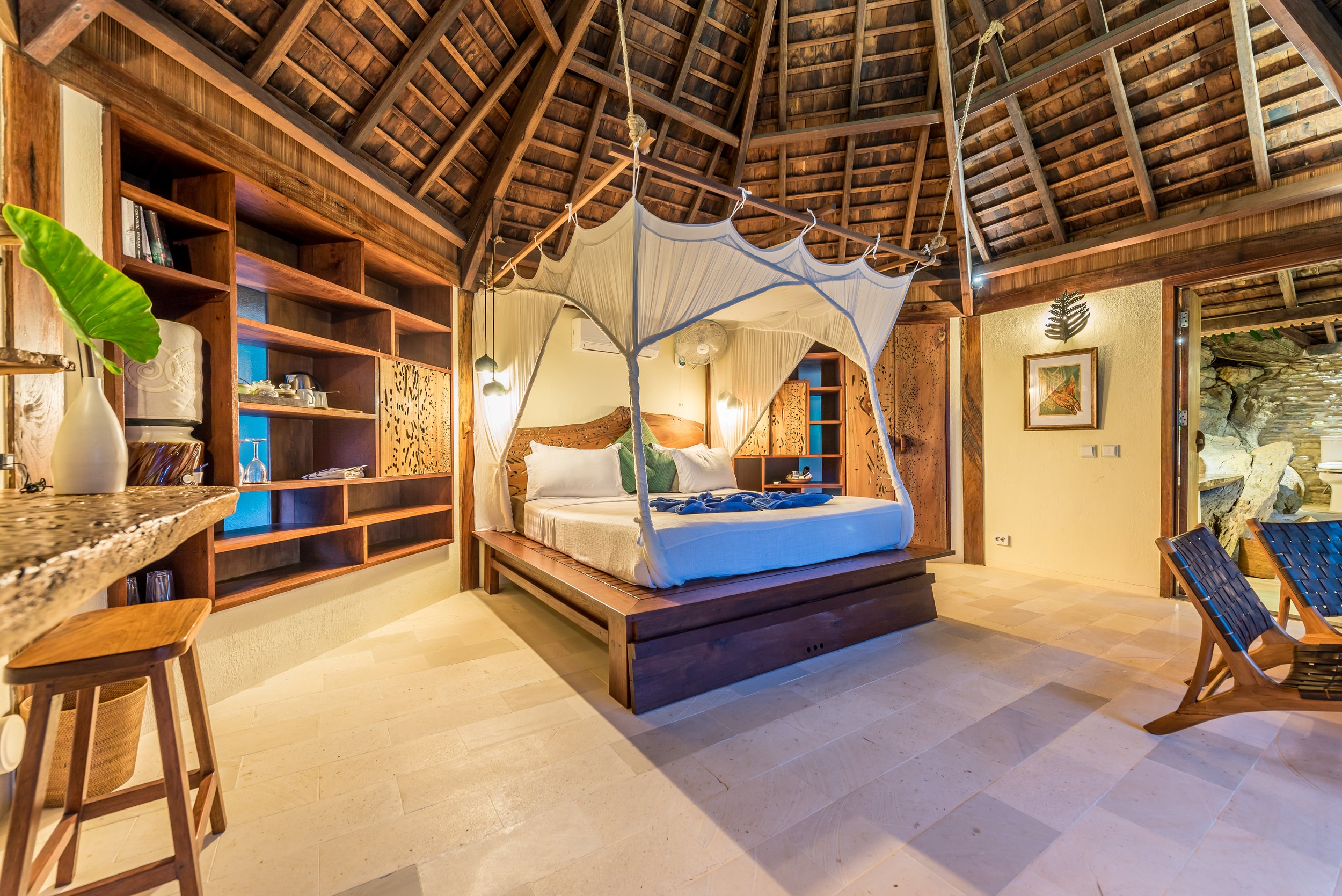
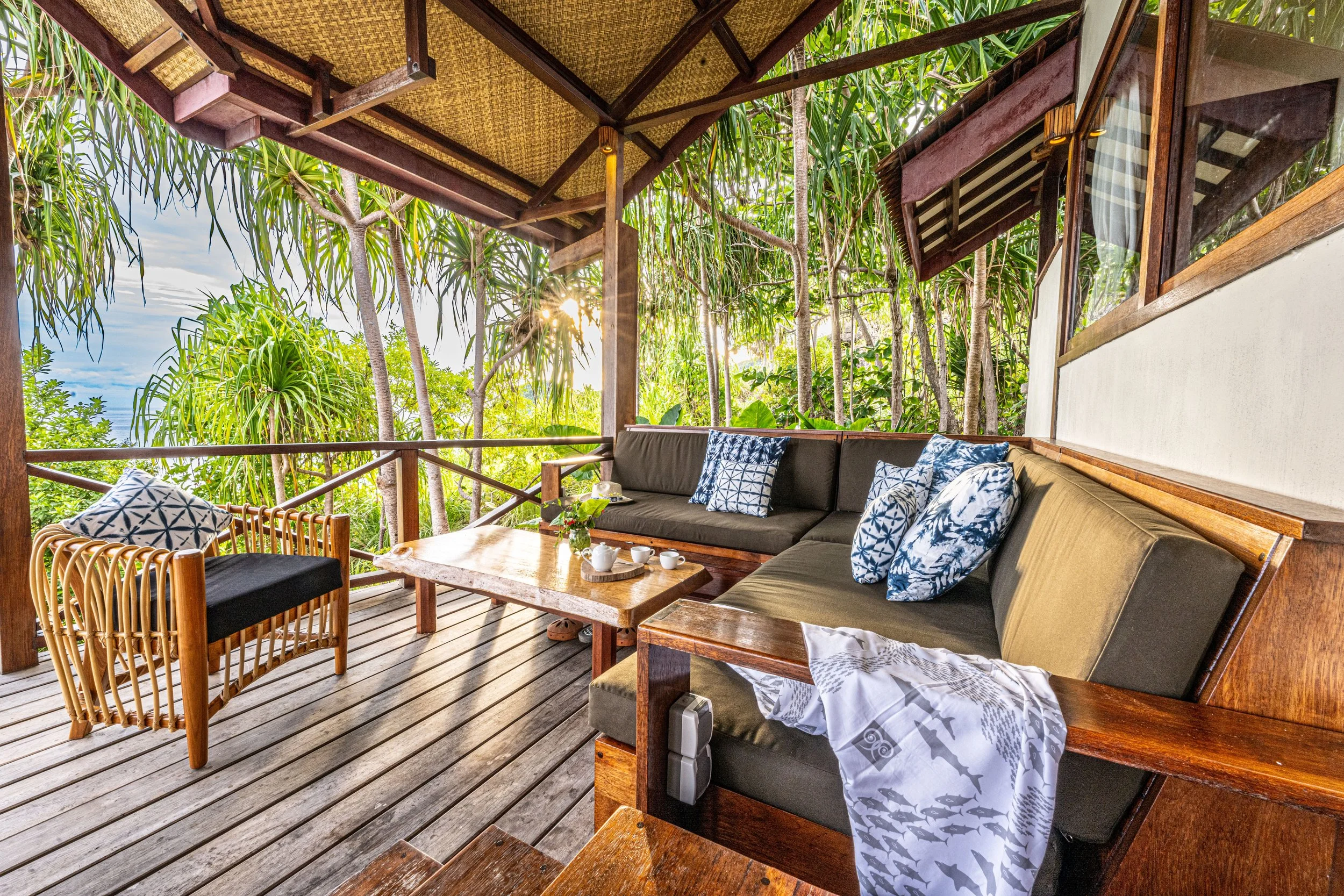
These images below are available for download.
Photography credits: Please credit photographers as specified in each image title. Images are supplied for editorial use only and remain the property of the respective copyright holders.
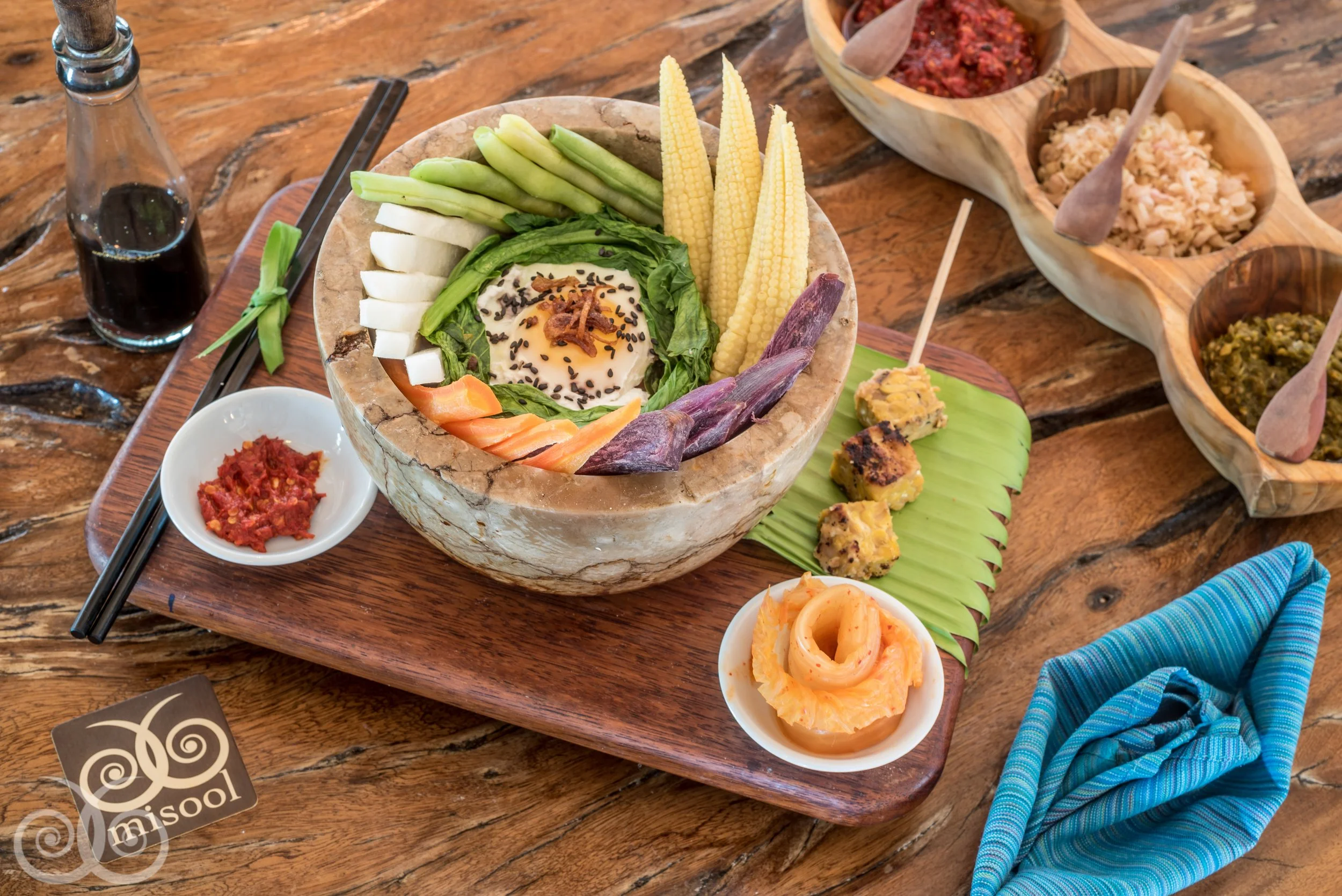
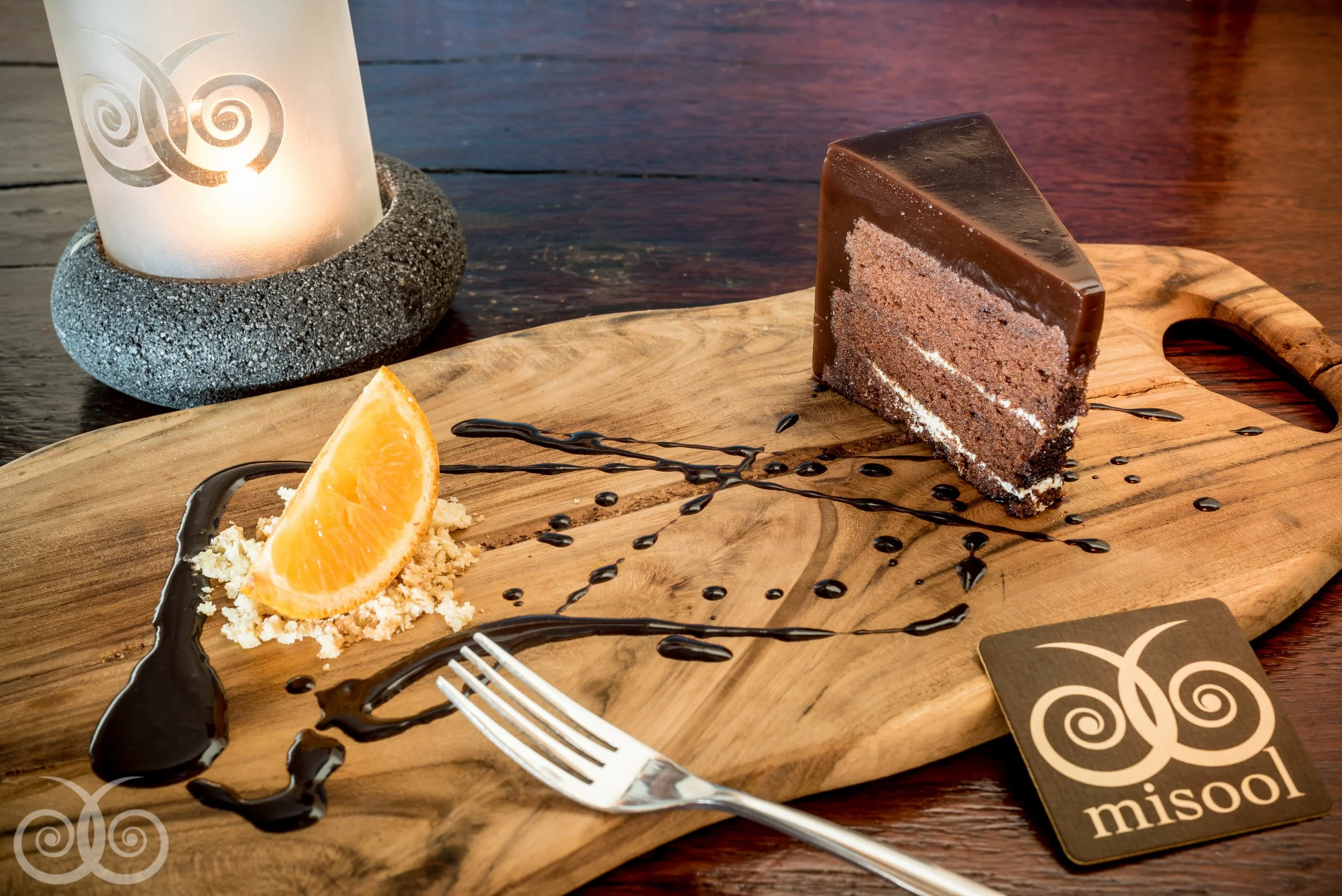


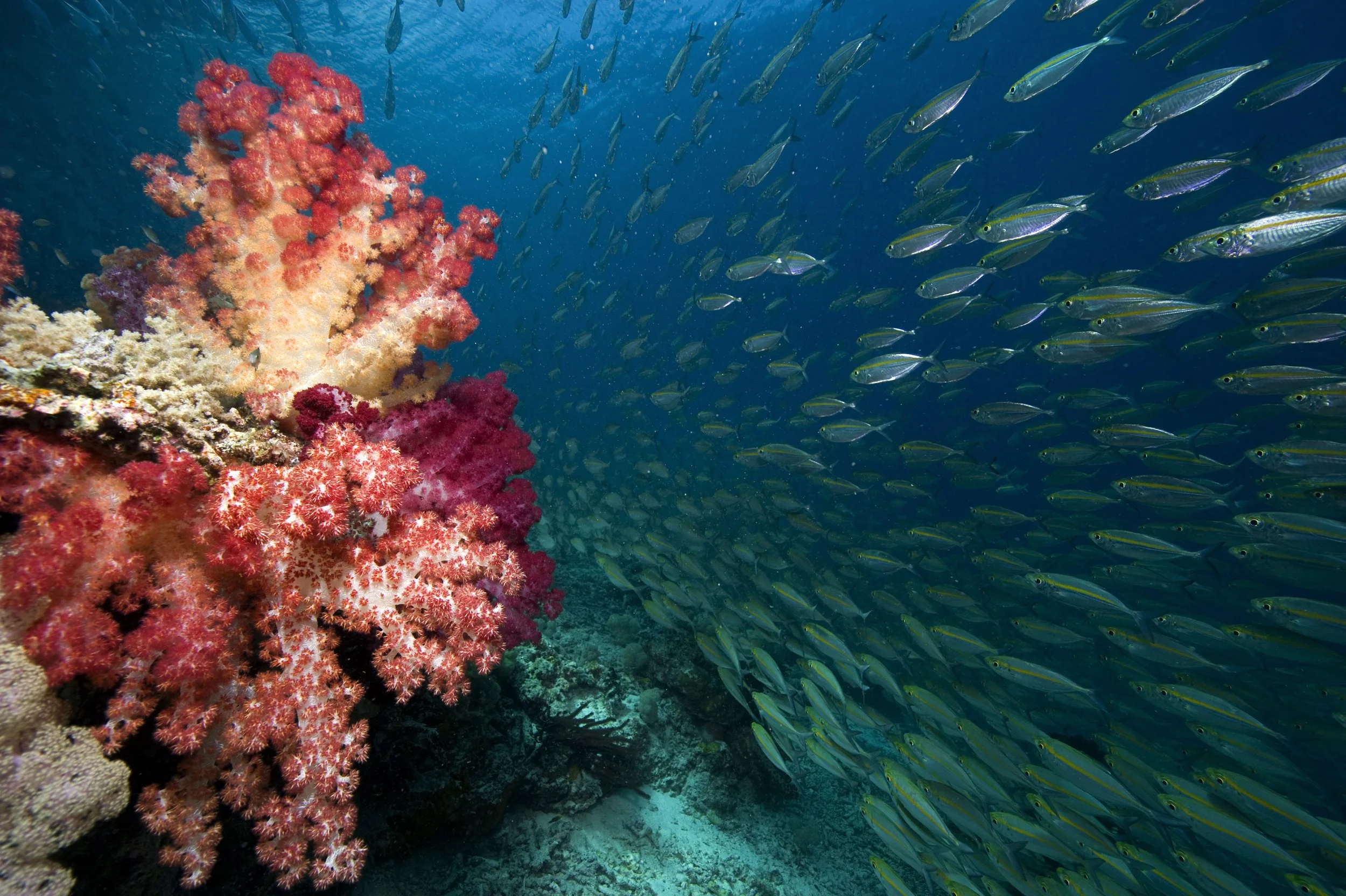
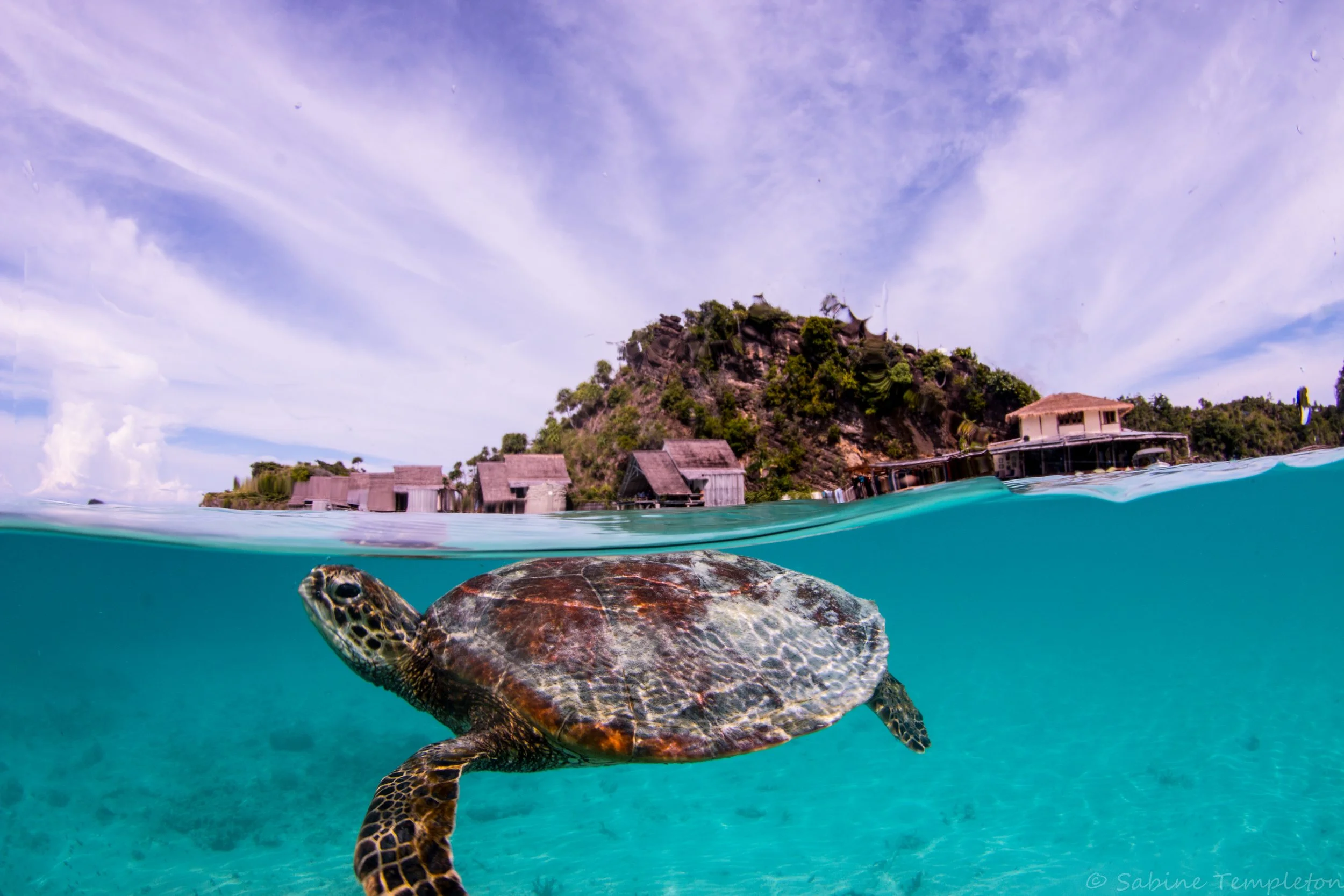

-
Sustainability is integrated into the day-to-day running of the resort.
Approximately 65% of resort operations are powered by solar energy, with battery capacity being expanded to meet our 100% target.
Wastewater is treated on site through constructed wetland wastewater gardens.
Drinking water is desalinated and UV-treated, eliminating the need for single-use plastic bottles.
A hydroponic garden system produces leafy greens and herbs on the island.
Restaurant fish is sustainable, line-caught blue-water fish sourced outside the No-Take Zone.
Reef fish and prawns are not served.
Organic waste is composted for use in the resort gardens.
The original resort buildings were constructed using reclaimed tropical hardwoods milled on site, with no trees felled for the initial build.
-
Misool deliberately operates at small scale. The resort has a maximum capacity of 40 guests, with a staff-to-guest ratio of approximately 4:1.
The philosophy is straightforward: scale affects both the ecosystem and the guest experience. Rather than pursuing visitor volume, Misool focuses on experiences that connect people deeply with nature and encourage them to become advocates for its protection.
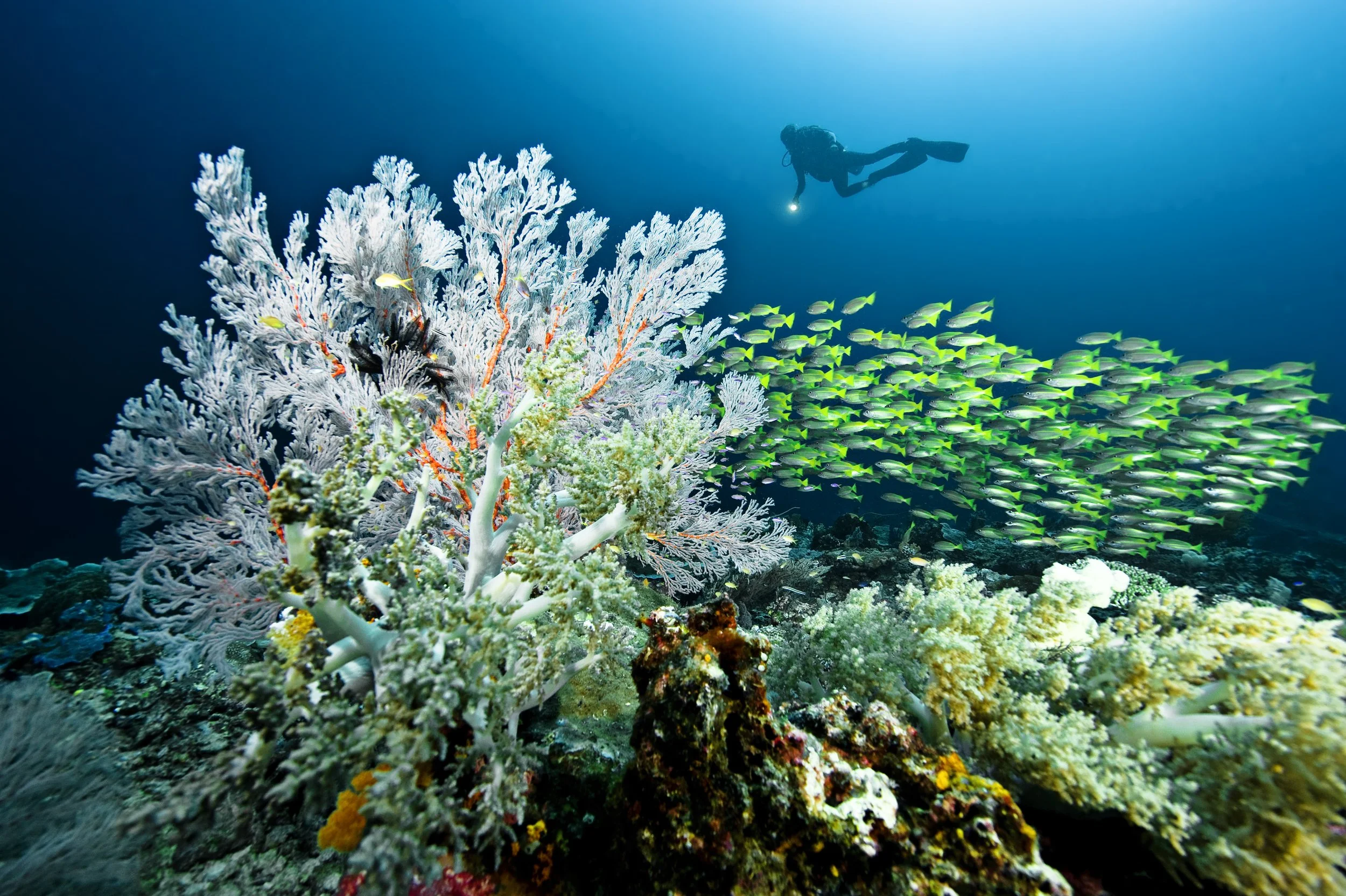
Guests can dive and snorkel across more than 40 sites, as well as kayak, paddleboard, explore mangroves and forests, go birding, take part in Indonesian cooking classes, experience wellness treatments and design bespoke days aboard the expedition boat.
-
Misool Foundation (Yayasan Misool Ekosistem Regenerasi) is a registered Indonesian charity, that runs Misool's marine and community conservation work. The resort and the foundation are legally and financially distinct entities, but operationally inseparable. Put simply, one could not exist without the other.
Tourism provides an important source of funding for conservation. Misool Resort has been the foundation's largest single funder in past years, and USD 100 is donated to Misool Foundation on behalf of every guest. Guests are also encouraged to match this contribution.
Making the reef the resort's central commercial asset aligns our financial interests directly with the reef's health: the ecosystem thrives because it's the business's core asset, and the business thrives because the ecosystem is flourishing. We reinvest a portion of resort revenue into conservation, ecosystem restoration, and footprint-reducing technology, on the principle that Misool should actively regenerate the ecosystem upon which it depends, not just avoid harming it.
-
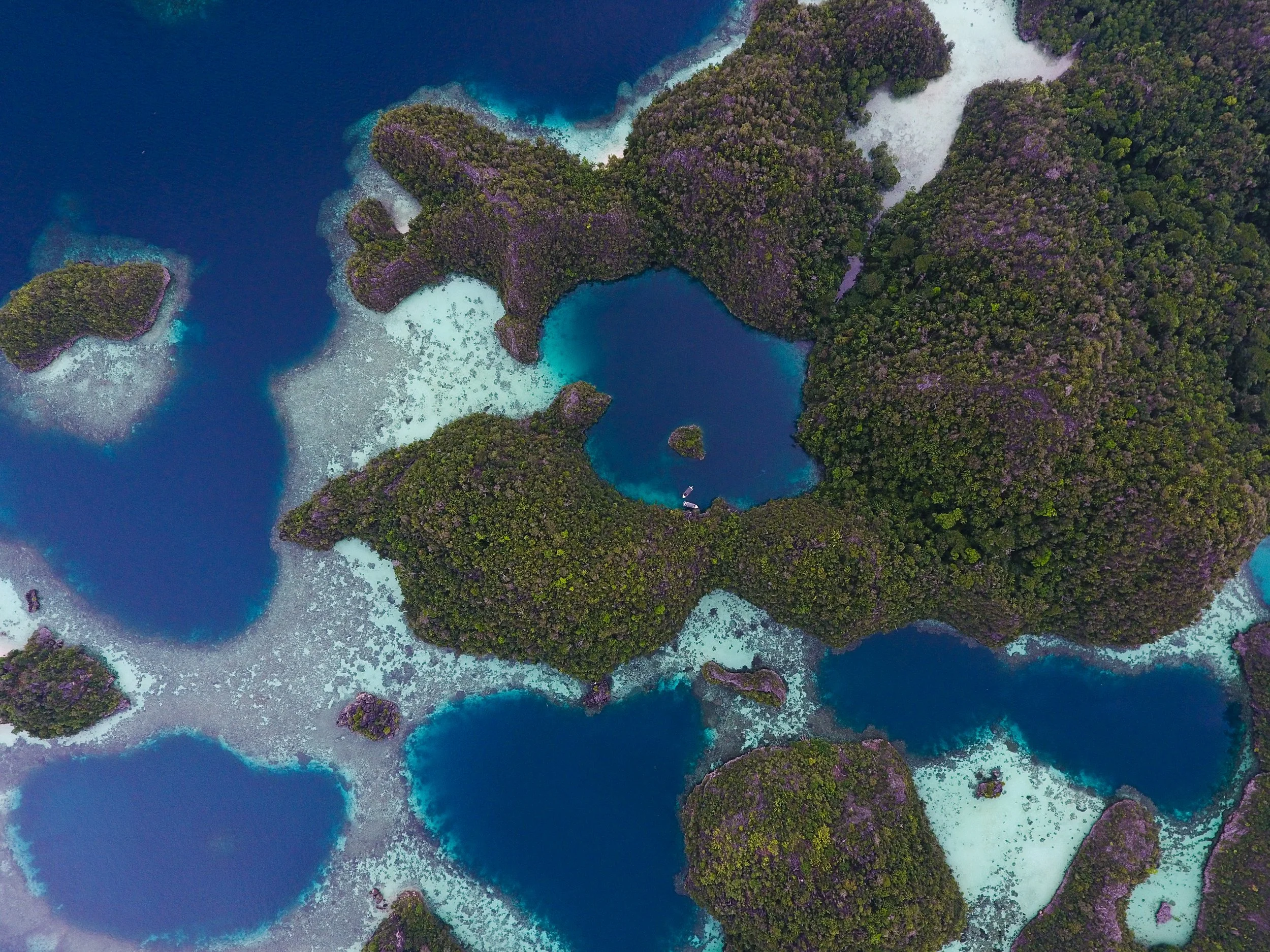
The Misool Marine Reserve protects 300,000 acres (1,220 km²) of marine habitat around South Misool.
The reserve includes two No-Take Zones alongside a restricted-gear blue-water corridor. It encompasses ten large, forested islands and 41 beaches leased directly from local communities.
A locally staffed Ranger Patrol protects the reserve 24 hours a day, 365 days a year, operating from three ranger stations with the support of local communities and government authorities.
More than two decades of protection have produced measurable changes within the reserve. Current figures show that fish biomass increased by approximately 248–250% between 2007 and 2021, while shark numbers have doubled since 2012.
-
Misool’s astounding marine biodiversity is due to an unusual kaleidoscope of habitats packed into one reserve, resulting in what scientists refer to as a ‘species factory,’ pointing to not only a rich inventory (about 75% of all known coral species worldwide can be found in Raja Ampat), but active species generation.
The region is characterized by a complex geography with hundreds of islands, straits, semi-enclosed bays, mangroves, and marine lakes. In these isolated or semi-isolated pockets, species can diverge genetically over time, which is a classic recipe for speciation, not unlike how island chains can produce new terrestrial species.
However, the isolated pockets are also interconnected, resulting in fantastic diversity; rivers draining the uninhabited interior of nearby Misool Island feed pristine mangrove forests; shallow fringing reefs drop away into sandy slopes dotted with coral pinnacles and seamounts; and the reef systems adjoin the Ceram Trough, a trench over a kilometre deep, just to the south.
Together, these habitats support the nurseries, spawning grounds, migration routes, and feeding areas that make this Misool absolutely singular.
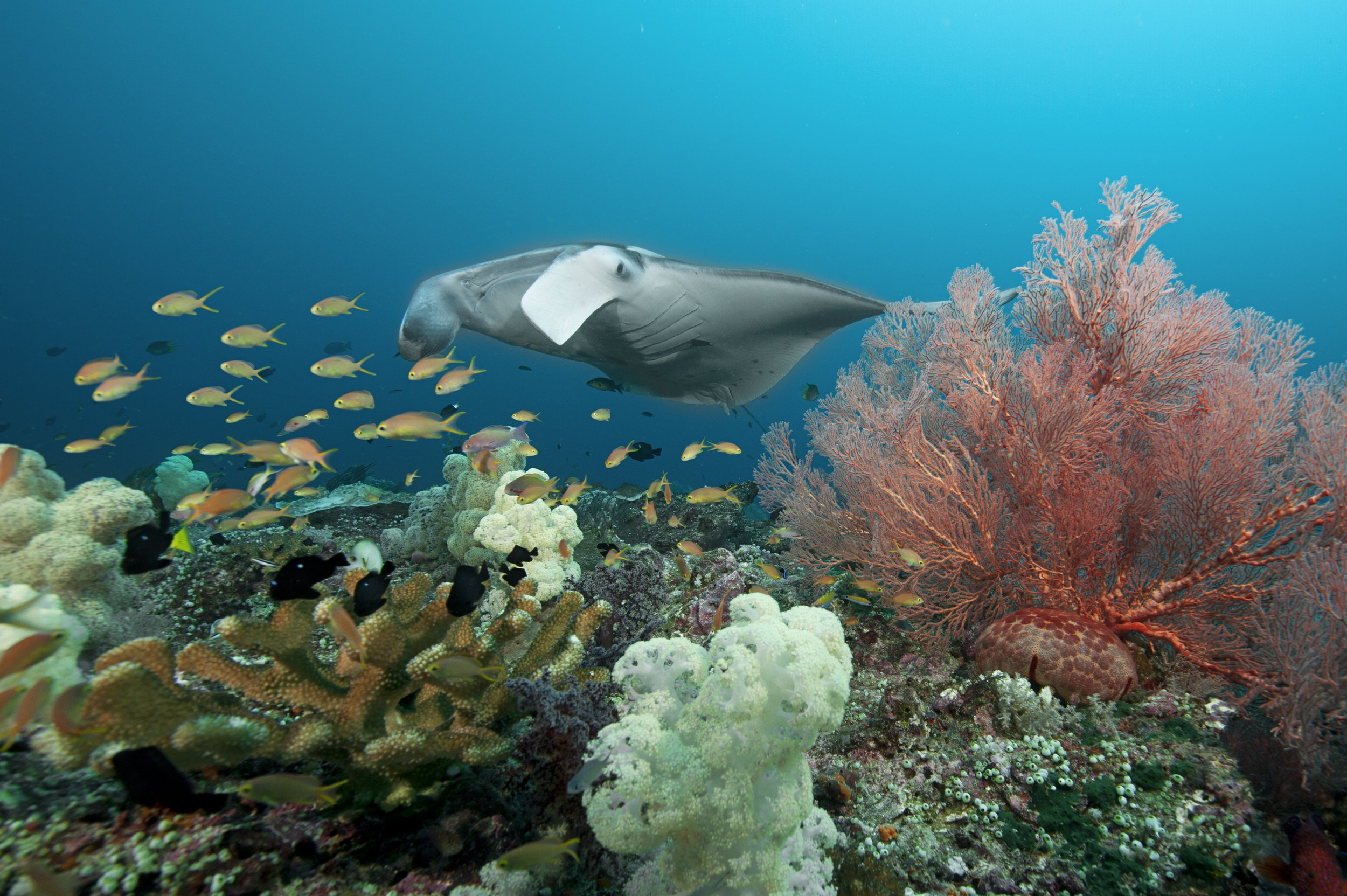
Misool's protected waters support everything from pygmy seahorses and reef fish to sharks, rays, turtles, manta rays and other large marine animals. And new species are regularly discovered here.
For interviews, filming requests, press visits or detailed questions about specific conservation programmes, please contact our team using the form below.
Before getting in touch: Please check the information above and our downloadable media assets first. We receive a high volume of enquiries and may not be able to respond to requests for information already available on this page.
These requests are considered individually and are subject to availability. We aim to get back to you as soon as possible.